The Mupapa Environmental and Social Sustainability Initiative has been established with the aim of supporting and implementing new environmental, social, and sustainable economic programs in Zambia. As a Non-Governmental Organisation (NGO) the Mupapa Initiative’s mission is to use impact investment principles into community engagement, Nature-based Solutions (NbS), and innovative carbon sequestration technologies to bring positive change to local communities and the environment in rural Zambian areas. Investments will be aimed at establishing effective initiatives that protect forests, restore degraded land utilising native tree species and specialized soil conditioning. Moreover, bring value-addition to forest resources, and promote sustainable practices in agriculture through agroforestry. Furthermore, the Mupapa Initiative will work with and promote communities in and around forest areas by improving access to food, quality education, employment, gender equality, and overall sustainable development of communities aligning with the United Nations 17 Sustainable Development Goals.
Collaboration with the Zambian Correctional Services
The Mupapa Initiative has been granted authorisation by the Commissioner General of Zambian Correctional Services (ZCS) to utilise land owned and managed by the ZCS in tree planting and soil regeneration projects. ZCS has several “Prison Farms” where inmates are engaged to farm and maintain land as part of their sentence and in an opportunity for them to learn skills in agriculture and other areas before the end of their incarceration.
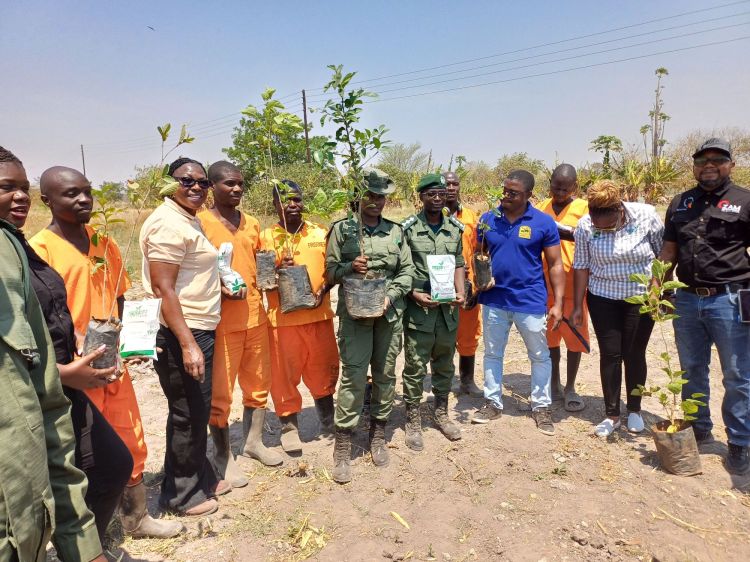
The Mupapa Initiative sought out this collaboration as a way of engaging offices of the Government of the Republic of Zambia (GRZ) in utilising land to maintain natural landscapes and incorporate sustainable practices. Many natural forest areas on the land of ZCS has been degraded over time and the pressures of climate change bringing drought and power outages, this makes farming difficult and threatens the purpose of the institution of Farm Prisons.
The Mupapa Initiative aims to provide in 2 key aspects. One is the provision of fruiting tree saplings to be planted in orchards that are managed by inmates. This stock of fruiting trees will provide to both the inmates and to the local community which resides close to the prison farms. The importance of increasing nutritional value and accessibility is of great importance to the project, with the prison managing and maintaining the orchard will ensure greater survival and production from the fruit trees. Moreover, these trees will contribute to the overall increased tree stock and environmental benefits of having trees in an agroforestry model.
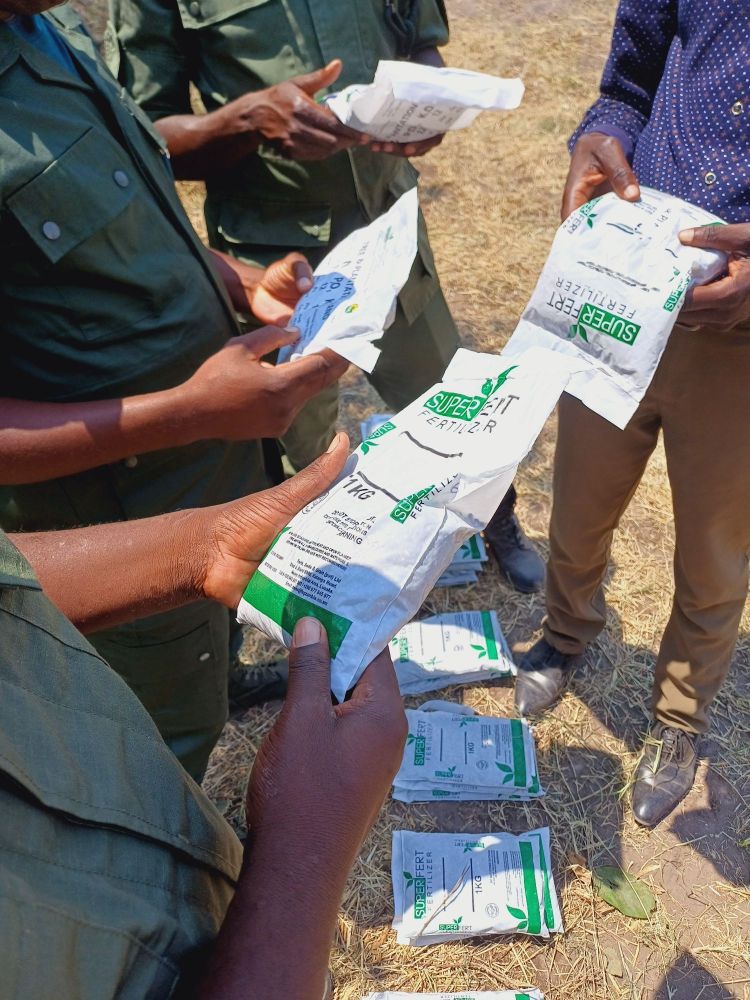
The second key aspect is the planting of indigenous non-fruiting trees. These trees will be planted for the purpose of environmental benefits of increased biodiversity, natural windbreaks, temperature control, and the benefits of their rooting system and nutrient recycling / contribution. For example, trees such as Faidherbia albida contribute greatly to the amount of available Nitrogen in soils, making them ideal for agroforestry whilst also bringing natural habitat for increased biodiversity. The locally named Musekese tree (Piliostigma thonningii) is also ideal for intercropping and the many uses of its seed pods in animal feed alternatives. This is just an example of the benefits of replanting indigenous trees into an area that has been heavily deforested for infrastructure and agriculture. The project aims to allow for continued sustainable development and expansion of prison facilities and farming activities by uncooperating nature rather than excluding it.
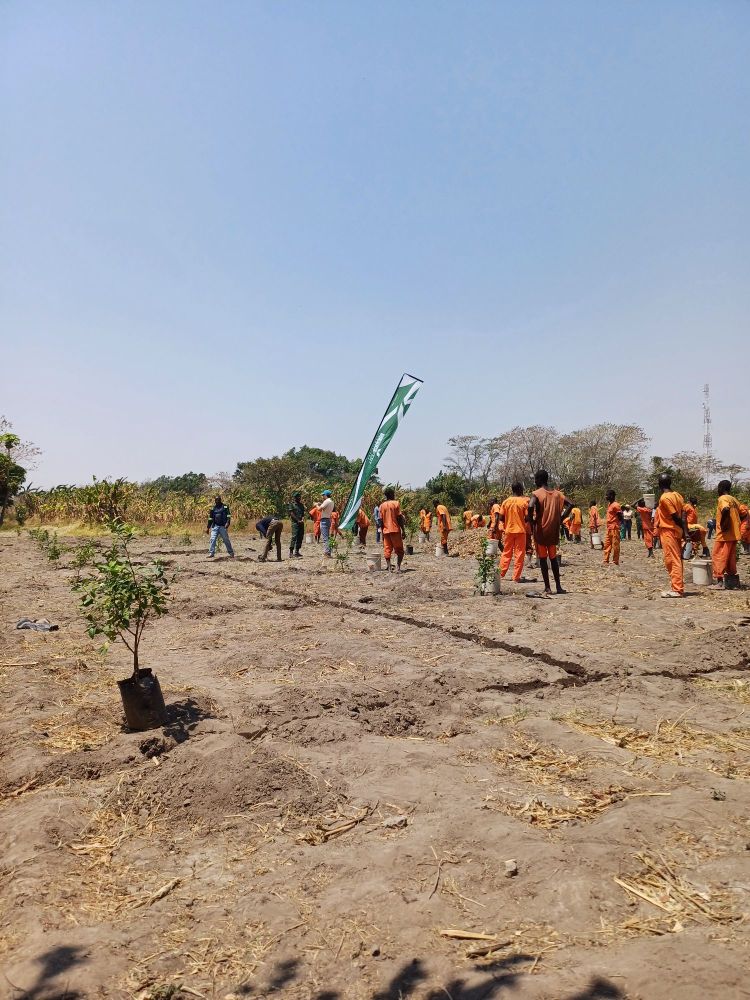
This project launched on the September 19, 2024. With the planting of an orchard at Mwembeshi Prison Farm. However, ZCS have already expressed the desire to expand this project to more prison areas. Currently the Initiative has authority to work on 5 sites including Mwembeshi, but more are becoming available with a total hectarage exceeding 700 Ha from ZCS.
This project will continue for the foreseeable future and await seasonal rains to ensure successful survival of planted trees.
 The Mupapa Initiative