As a Non-Governmental Organisation (NGO) The Mupapa Initiative’s mission is to use impact investment principles, community engagement, Nature-based Solutions (NbS), and education programmes to bring positive change to local communities and the environment in Zambian forest areas. Investments will be aimed at establishing effective initiatives that protect forests, restore degraded forest areas utilising native tree species, bring value-addition to forest resources, and promote sustainable practices in agriculture. Furthermore, the Mupapa Initiative will work with and promote communities in and around forest areas by improving access to food, quality education, employment, gender equality, and overall sustainable development of communities aligning with the United Nations 17 Sustainable Development Goals.
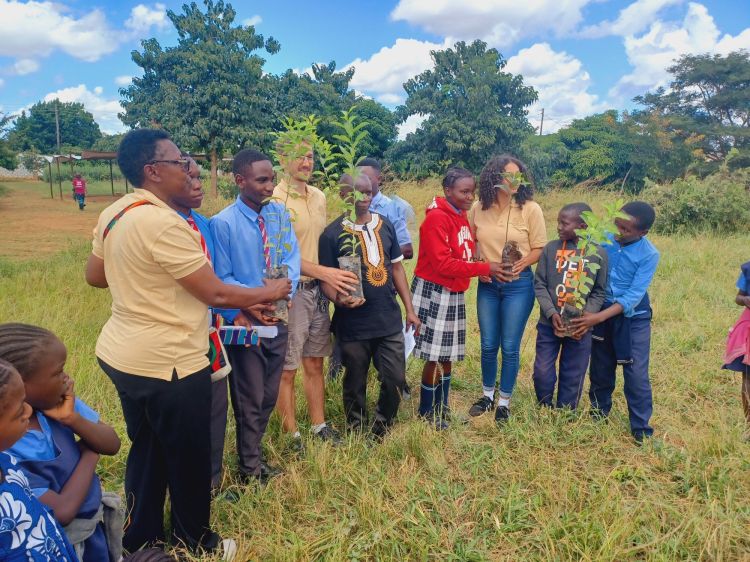
Forests in Zambia are a vital resource of environmental, social, and economic importance and a key focus of the Mupapa Initiative. Covering an estimated 44.81Million ha (as of 2020), roughly 60.3% of Zambia’s land area, these forests support vast natural ecosystems and many local communities. However, the growing demand for wood and forest products from the ever-developing nation is putting increasing pressures on the forest and the communities who rely on them. By protecting primary forests and forest communities now, Zambia can ensure a long-term sustainable management of a resource that has the potential to bring huge economic benefits through not only manufacturing, but also tourism, drought reduction and flood mitigation, nutritional enrichment, and numerous other Non-Timber Forest Products (NTFP). Projects must leave a lasting impact and promote continued growth and development in the communities it works with.
Our Mission
The Mupapa Initiative is looking to develop programs and projects that bring positive environmental, social, and economic impact. Whilst contributing to the improvement of living conditions and quality of life of local communities. This initiative will initially set up the following goals with further development and research to continue as we discover new innovative approaches and reach more investment partners.
Firstly, the Mupapa Initiative wants to bring investment in tree nurseries and tree planting programs and will work with already established seedling nurseries in Zambia such as The Ministry of Infrastructure, the Copperbelt University of Zambia, and other NGOs. This program will also utilise research from the university to identify key species for replanting and scientific approaches to effective replanting and regrowth. There has already been interest shown by the Copperbelt University of Zambia, seeking to replant the threatened Mukula (Pterocarpus tinctorius) tree. The Mupapa Initiative will also aim to open its own seedling nurseries around Zambia in Community Forest Management Areas (CMFGs), bringing together a variety of different tree species from commercial hardwood trees to fruiting trees. Ensuring diversity and protect threatened tree species. Saplings from these nurseries will primarily be used to plant trees in agroforestry projects, utilising trees as nutrient cyclers, shade, pest-control, and water sources for inter-cropped plants. This keeps the land viable for farmers, whilst offering carbon capture and resilience to climate change.
 The Mupapa Initiative